The Best Yoga Sequences for Stress Relief
In today’s fast-paced world, stress seems almost unavoidable. Whether it’s the pressure of deadlines, personal struggles, or simply the daily grind, stress can take a significant toll on our mental and physical well-being. While there are many ways to manage stress, yoga has emerged as one of the most effective methods for calming the mind, soothing the body, and restoring balance. Through specific yoga sequences, you can create a calming space that helps release tension and promotes relaxation.
Here are some of the best yoga sequences for stress relief that you can incorporate into your routine to help alleviate anxiety and find inner peace.
1. The Restorative Sequence
Restorative yoga focuses on gentle poses and long-held postures that help calm the nervous system and activate the parasympathetic (rest and digest) response. This sequence is ideal for unwinding after a long day or for moments when you need to fully relax.
Recommended Poses:
-
Child’s Pose (Balasana): Start in Child’s Pose to ground yourself. This gentle forward fold allows the spine to relax, while your body softens into the floor. Focus on deep, slow breaths to center your mind.
-
Legs Up the Wall (Viparita Karani): This pose helps reduce stress by draining tension from your legs and promoting relaxation throughout the body. Hold for 5–10 minutes, allowing your breath to slow and your mind to calm.
-
Supported Bridge Pose (Setu Bandhasana): Place a block under your sacrum for support in this pose. It gently opens the chest, releases tension in the back, and calms the nervous system.
-
Savasana (Corpse Pose): End the sequence in Savasana, allowing the body to completely relax and integrate the calming effects of the practice. Focus on your breath and let go of any remaining tension.
2. The Gentle Flow Sequence
This sequence involves slow, mindful movements that link breath with movement, helping to release stress from both the body and the mind. It’s perfect for those who prefer a dynamic yet gentle flow.
Recommended Poses:
-
Cat-Cow Pose (Marjaryasana-Bitilasana): Begin in a tabletop position and flow between arching and rounding your back. This helps relieve tension in the spine and neck and promotes better posture.
-
Downward-Facing Dog (Adho Mukha Svanasana): A classic yoga pose that stretches the entire body. It’s particularly effective for relieving tightness in the hamstrings, shoulders, and back.
-
Warrior II (Virabhadrasana II): This standing pose builds strength while promoting focus and stability. The grounding of the feet and the lengthening of the arms create a sense of power and calm.
-
Seated Forward Fold (Paschimottanasana): From a seated position, reach for your toes or ankles, stretching the hamstrings and lower back. This pose calms the nervous system and releases physical and mental tension.
-
Savasana: Finish with Savasana, allowing the body to absorb the benefits of the flow and release any residual stress.
3. The Breathing-Focused Sequence
Breathwork is one of the most powerful tools for managing stress, and this sequence focuses on connecting the breath with movement to calm the mind and activate the parasympathetic nervous system.
Recommended Poses:
-
Nadi Shodhana (Alternate Nostril Breathing): Start with this calming breathing exercise to balance the flow of energy through both nostrils, calming the mind and reducing anxiety.
-
Extended Child’s Pose (Balasana): From Child’s Pose, extend your arms out in front of you to deepen the stretch. Use the breath to release tension in the back and neck.
-
Bridge Pose (Setu Bandhasana): A gentle backbend that opens the chest and uses deep breathing to calm the nervous system.
-
Seated Meditation (Sukhasana): Sit comfortably with your spine tall. Practice deep, conscious breathing for a few minutes, focusing on each inhale and exhale to center your mind.
-
Savasana: End with Savasana, focusing on your breath as you release any lingering tension.
4. The Grounding Sequence
This sequence focuses on grounding poses that help you connect with the earth and foster a sense of stability, which is essential for stress relief. Grounding poses help calm the nervous system and bring your awareness into the present moment.
Recommended Poses:
-
Mountain Pose (Tadasana): Stand tall with your feet firmly rooted into the ground, grounding yourself through the soles of your feet. Focus on your breath as you find balance and stillness.
-
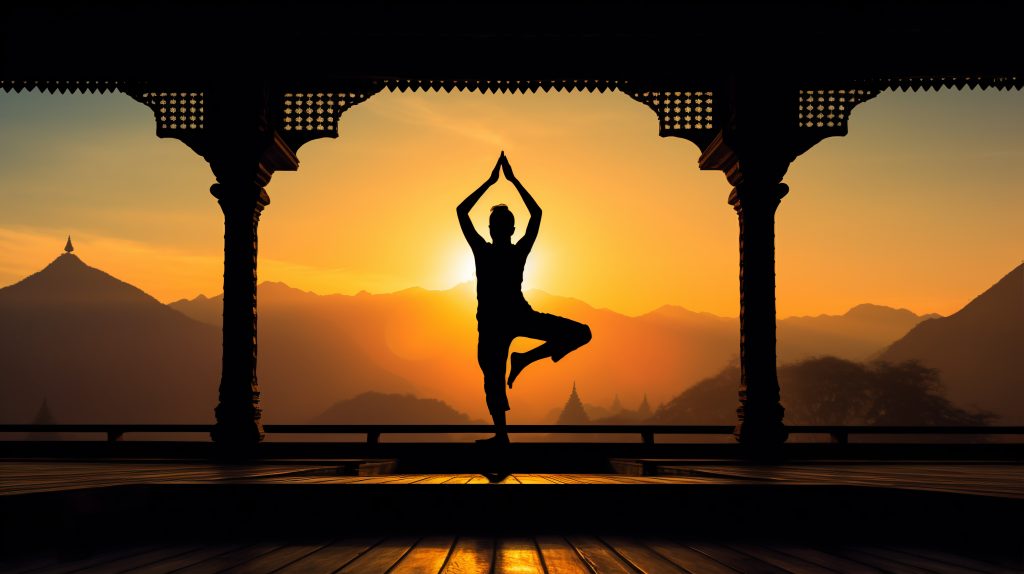
Tree Pose (Vrksasana): This balancing pose encourages focus and stability. Root down through one leg while extending the other, symbolizing strength and calm.
-
Forward Fold (Uttanasana): Fold forward, allowing the head to hang heavy and the spine to lengthen. This pose releases tension in the neck and shoulders and encourages relaxation.
-
Reclining Bound Angle Pose (Supta Baddha Konasana): Lie on your back with the soles of your feet together and knees wide apart. This pose opens the hips and creates a deep sense of relaxation.
-
Savasana: End with Savasana, sinking into the floor to fully ground and release any residual stress or anxiety.
5. The Slow Flow Sequence
A slower-paced vinyasa sequence that promotes deep breathing and mindfulness. This sequence is perfect for those who prefer a combination of movement and stillness to relieve stress.
Recommended Poses:
-
Sun Salutation A (Surya Namaskar A): Flow through a gentle Sun Salutation sequence, moving with your breath to awaken the body and release tension.
-
Low Lunge (Anjaneyasana): Step one foot forward, lower your back knee, and gently open the hips. This stretch is great for releasing tension in the hip flexors and quads.
-
Downward-Facing Dog to Plank Flow: Transition from Downward-Facing Dog to Plank Pose and back, syncing movement with breath. This engages the core and stretches the spine.
-
Seated Spinal Twist (Ardha Matsyendrasana): Sit with one leg extended and the other bent, twisting gently to release tension in the spine and improve digestion.
-
Savasana: Close the sequence with Savasana, allowing your body and mind to rest and integrate the effects of the practice.